How to Get Your Kid to Eat Vegetables (Without Forcing or Bribing)

Overview
Getting kids to eat vegetables is one of the most common parenting struggles—and also one of the most misunderstood.
Many parents assume resistance means the child is "picky" or defiant. In reality, vegetable refusal is often a normal developmental response to:
- unfamiliar tastes and textures
- bitterness (which kids are biologically more sensitive to)
- pressure at mealtimes
- lack of repeated exposure
The goal is not to force vegetables into a child's mouth. The goal is to help children learn to accept and eventually enjoy them.
This guide explains how to do that in a way that protects your child's relationship with food.
1. Why kids resist vegetables (and why it's normal)
Children are born preferring sweet and salty flavours. Many vegetables are bitter or neutral, which makes them less immediately appealing.
Resistance can also come from:
- fear of unfamiliar foods
- texture sensitivity
- negative past experiences (forced bites, pressure)
- being full from snacks or milk
Important perspective: Vegetable refusal is not a character flaw. It's part of learning how to eat.
2. Stop the pressure cycle (it backfires)
Common pressure tactics:
- "Just one more bite"
- "No dessert unless you eat your vegetables"
- "Other kids eat this, why don't you?"
These often increase resistance. When eating becomes about obedience, children learn to associate vegetables with stress—not nourishment.
Better approach:
- Offer vegetables calmly.
- Let your child decide whether to eat.
- Trust that appetite and acceptance develop over time.
3. Repeated, pressure-free exposure works
Children often need 10–20 neutral exposures before accepting a new vegetable.
Exposure doesn't mean eating. It means:
- seeing it
- touching it
- smelling it
- having it on the plate
You are building familiarity first. Acceptance comes later.
4. Pair vegetables with "safe foods"
At each meal, include:
- at least one food your child reliably eats
- one or two vegetables offered without commentary
This prevents hunger while still encouraging exposure. A child who isn't hungry will not try new foods.
5. Let your child see you eat vegetables
Children learn more from observation than instruction.
If you:
- eat vegetables calmly
- avoid negative comments about food
- show enjoyment without exaggeration
…your child absorbs that as "normal." No lectures required.
6. Involve kids in simple food preparation
Children are more likely to try foods they helped prepare.
Age-appropriate involvement:
- washing vegetables
- stirring
- choosing between two vegetable options
- arranging food on a plate
Control increases curiosity.
7. Respect appetite variability
Some days your child will eat vegetables. Some days they won't.
This fluctuation is normal. Track patterns over a week, not a single meal. Avoid labeling your child as "picky"—labels become identities.
8. Use sauces mindfully (as a bridge, not a mask)
Dips and sauces can help children try vegetables—but they should complement the food, not overpower it.
If using sauces:
- keep portions small
- choose cleaner-label options
- encourage tasting the vegetable itself too
The goal is exposure to vegetables, not training the palate to only accept flavor through sauce.
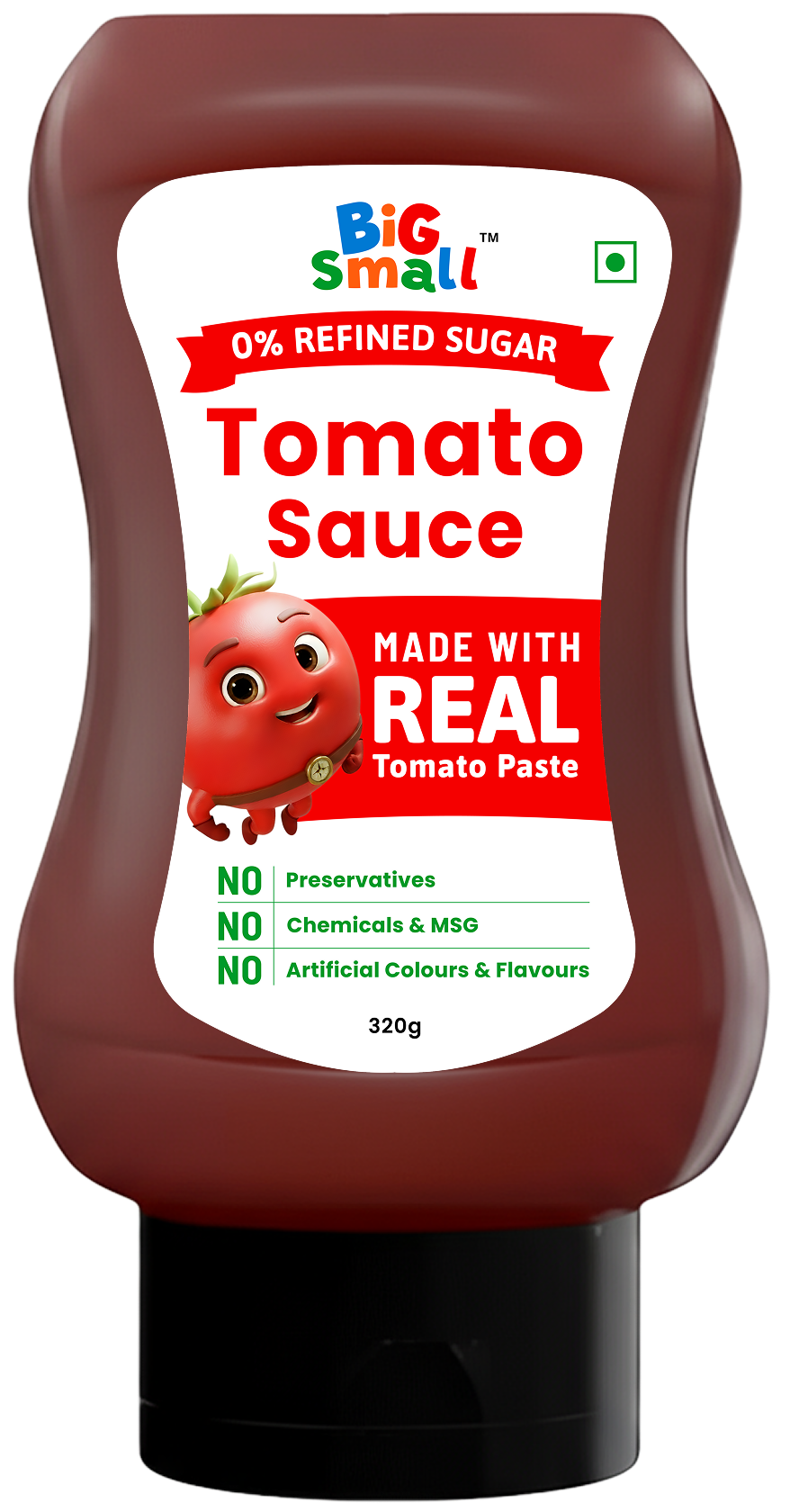
BiGSmall Kids Tomato Sauce
Real tomatoes, Jaggery, No Refined Sugar, No Added Preservatives, No Artificial Flavours, No Artificial Colors or Chemicals | Sweetened Only with Jaggery Made for everyday meals.
Shop now9. Keep meals calm and screen-free
Screens distract children from hunger/fullness cues and increase mindless eating. Calm meals support awareness and willingness to try new foods.
Even one screen-free meal per day helps.
Final takeaway
You cannot force a child to like vegetables. You can build a food environment where liking vegetables becomes likely over time.
Consistency beats intensity. Calm exposure beats pressure. Trust builds acceptance.
Related posts

How to Shape Healthy Eating Habits in Children (Without Control or Food Battles)
Children are born with the ability to regulate hunger—but parental pressure, restriction, and emotional feeding can quietly disrupt it. This guide explains how parents can provide structure and guidance without control, helping children build a lifelong healthy relationship with food.
6 min read
Tomato Sauce With Preservatives vs. Without Preservatives: What Parents Should Know for Their Children
Tomato sauce is a daily food for many children—but what’s inside it matters more than most parents realize. This guide explains the difference between tomato sauces with preservatives and preservative-free options, how frequent exposure affects children, and how to make informed, balanced choices without food fear.
9 min read
Is Store-Bought Sauce Healthy for Babies and Toddlers? What Parents Should Know
Many parents use store-bought sauces to make meals easier for babies and toddlers. This guide explains what to check on labels, when sauces are appropriate, and how to use them mindfully without creating unhealthy habits.
6 min read